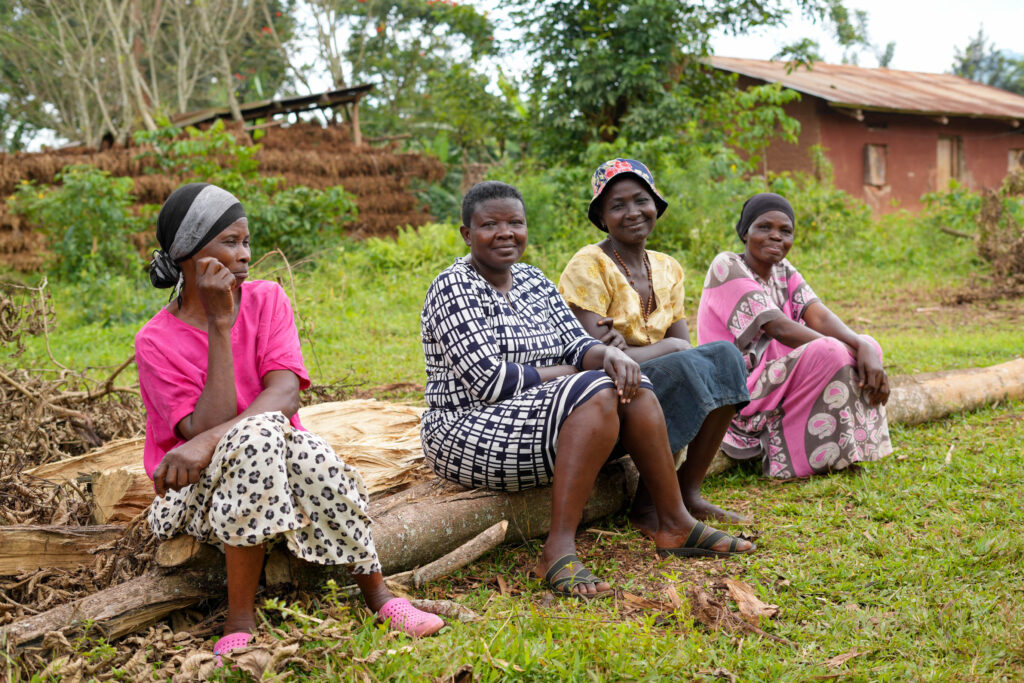
In three days, a few of us will travel to Kenya. It will be the first time either Adam or I visit Sub-Saharan Africa, our first opportunity to witness the water crisis firsthand and take part in the life-changing gift of clean water. Last year, David visited Uganda for the opening of five wells funded by Next Meters. The experience of seeing both the need and the solution in action moved him deeply and ultimately led to the creation of the Water Impact Network.
This will be a short trip (just one week), but it carries deep significance for the future of what we are building with the Water Impact Network.
The Goal of Our Trip
We’re excited to share what we’ve been building. Using our expertise in water metering and monitoring, we’re working to ensure that every $4,000 well is not only built, but equipped to last. That’s where NextVillage comes in. Developed and donated by our team at Next Meters, it’s a remote monitoring system that creates two-way communication between each well and the people who funded and maintain it. It’s designed to bring transparency, track each gallon pumped, and alert teams before a maintenance issue becomes a crisis.
On this trip, we will be working alongside the drilling crew as they walk us through the final stages of well installation. In return, we’ll be providing hardware training and gathering their feedback.
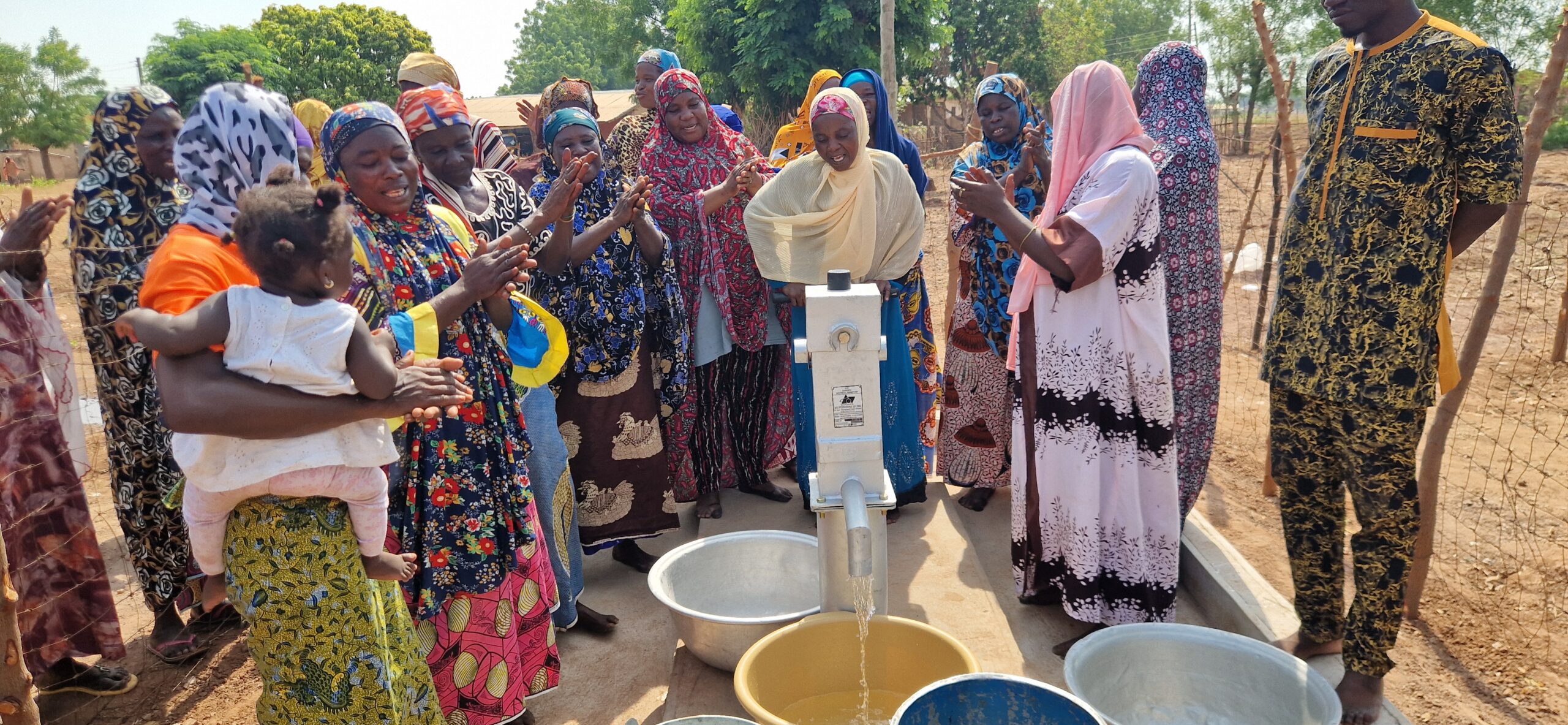
One moment I’m especially looking forward to is the opening ceremonies for two wells in rural Kenyan villages funded by Master Meter, with Ian from their team joining us on the ground. He is doing a wonderful job driving a campaign throughout municipal utilities, inviting them to adopt a Sister City for Safe Water.
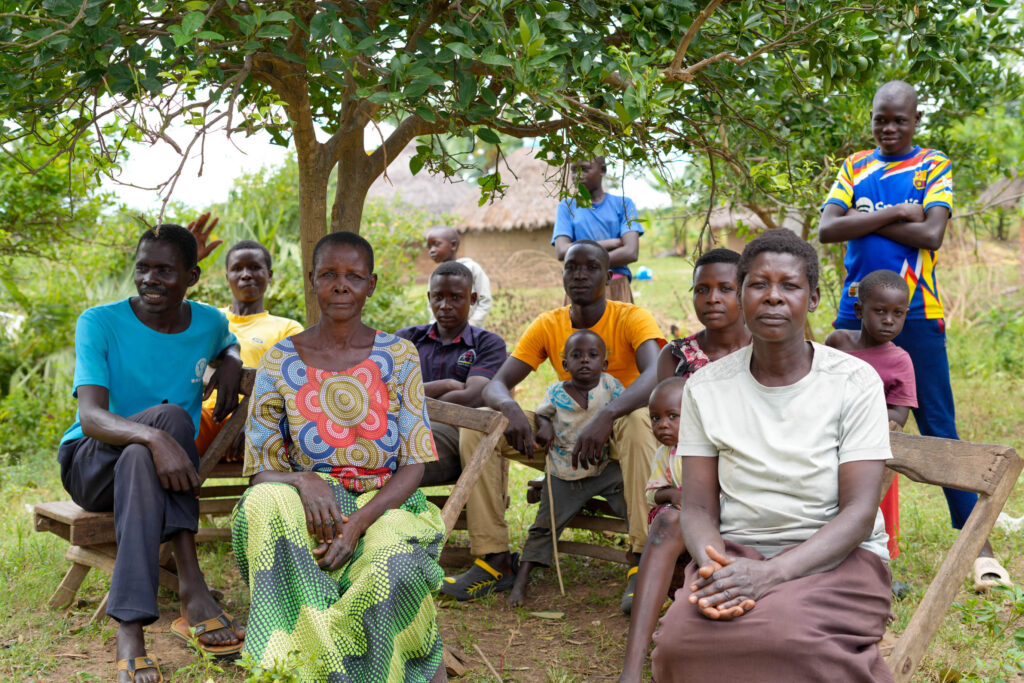
Throughout the week, we’ll be refining the NextVillage system to better fit the unique needs of rural communities in Africa. By early next year, we plan to have install guides, training materials, and final hardware ready for full deployment.
All of this ties directly into the three pillars that guide the Water Impact Network:
1. Connection
Every donor is part of the solution.
This trip is a step forward in building a transparent bridge between donors and the projects they fund. When you give, we want you to see your impact years down the road. That’s what NextVillage makes possible.
And when we say “connection,” we mean all of us: utility leaders, donors, engineers, and the community members who show up and give back. (We hope to see you at next year’s Polar Dumpster Plunge in Cache Valley!) Together, we’re part of a mission that spans continents and strengthens local economies in Africa.
2. Accountability
Every drop is traceable.
We believe in full transparency. That’s why we’re building a system that tracks when a well is being used, how much water is flowing, and when something goes wrong. It’s not just about a big number of water produced, it’s about accountability. NextVillage gives clean water organizations the tools to monitor long-term performance. They can respond to issues faster and make sure each well continues to serve its community for years to come.
By making performance visible, we can move beyond one-time installations and into long-term impact.
3. Predictive Maintenance
Every system is monitored.
If we want clean water to keep flowing, we can’t rely on guesswork when it comes to maintenance. It’s like changing the oil in your car. Using your odometer as a guide is a lot more reliable than just taking a wild guess, no matter how smart you are. Now imagine trying to manage dozens of cars without any data at all. That’s what it’s like trying to maintain wells without real-time information.
That’s where NextVillage comes in, and why this trip is so important. The system is being designed to send alerts before something breaks, not after. While we’re in Kenya, we’ll be gathering information regarding alerts and gathering feedback on when they should go off and how teams want to be notified. That input will shape how we continue refining the alerts over the next year.
Why This Work Matters
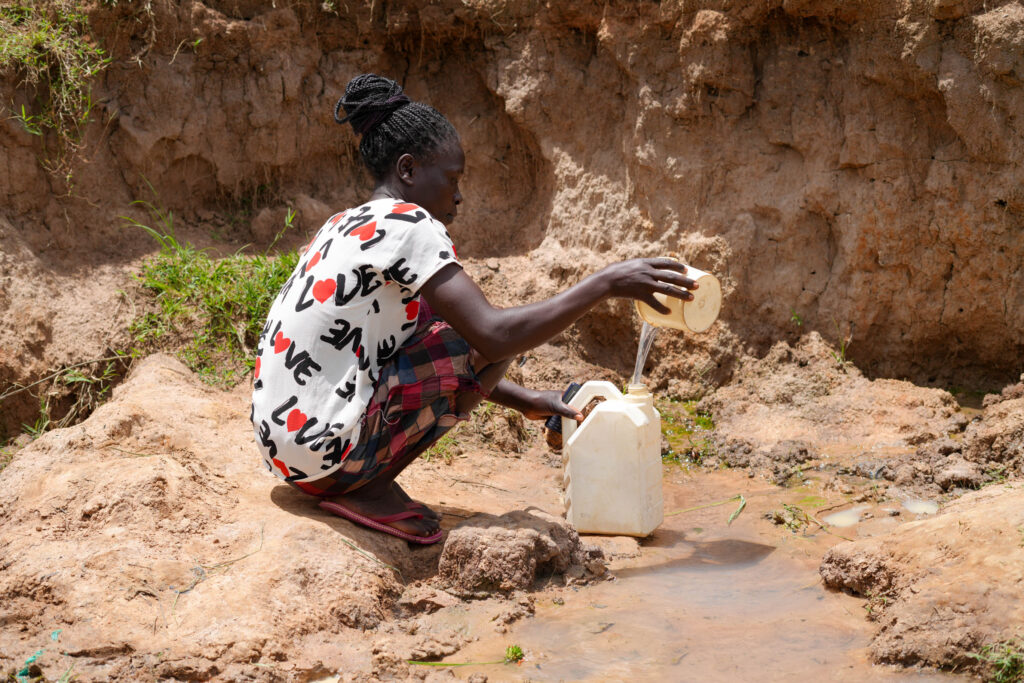
This past week, I read A Long Walk to Water by Linda Sue Park, a book that follows the true story of children affected by war and the water crisis in South Sudan. One moment stuck with me: a young girl’s family would move for four months each year, leaving their home to live in a temporary shelter, just to collect water seeping from the dry clay of a drained lakebed.
“Like the pond back home, the lake was dried up, but because it was so much bigger than the pond, the clay of the lakebed still held water.”
That line hit me.
No one should have to live like that. But millions still do. This is why we are going to these lengths, not just to build wells, but to create lasting systems and donate these tools. We’re not just solving for today, but working to allow people to live and thrive where they would, if not for lack of water.
Your Support Is What Makes This Possible
As a reminder, none of your donations fund our travel or overhead. Every dollar you give goes directly to building wells. All of our operating costs are covered by private donors, which we are so grateful for. Their support allows us to stay lean, transparent, and focused.
Thank you for being part of this journey. We’re honored to bring you with us through every drop, device, and village. If you feel inspired to join in, we invite you to donate or learn more. As soon as you give, we’ll let you know which village you are connected to. Without clean water, the seeds of progress wither before they can grow.